1. Global Executive Overview: Navigating Modern Structural Construction Materials
In the contemporary architecture, engineering, and construction (AEC) sector, the strategic selection of Structural Construction Materials dictates not only structural longevity, safety, and seismic load capacity, but also financial feasibility and compliance with evolving global carbon emissions mandates (LEED v4.1, BREEAM, and EN 15804 standards). As multi-national EPC contractors, commercial developers, and sovereign infrastructure authorities plan mega-scale projects, procurement teams are transitioning from price-per-ton purchasing models to holistic lifecycle cost modeling (LCC) and embodied carbon optimization.
Structural construction materials constitute the load-bearing framework of built environments—encompassing heavy structural steel sections, ultra-high-performance concrete (UHPC), engineered composite rebar, specialized structural facade framing, and high-tensile fasteners. Selecting the appropriate structural matrix requires deep domain knowledge across metallurgical grades, chemical corrosion resistances, yield strength tolerances, and thermal expansion dynamics.
"Selecting high-performance structural materials is no longer merely a structural engineering calculation; it is a complex supply chain optimization exercise. Over two decades of executing complex infrastructure projects—such as Assuit Airport and Borg Al-Arab industrial complexes—ADM has demonstrated that integrating verified material certification, factory audits, and localized seismic load considerations reduces field failure risks by up to 94% while cutting overall construction schedules by 15% to 22%."
As global procurement vectors shift toward AI-assisted search tools and automated sourcing portals, EPC decision-makers require immediate access to verified technical data, clear grade classifications, and multi-regional compliance frameworks. This comprehensive benchmark report provides global buyers with the precise analytical framework necessary to evaluate, specify, and procure commercial-grade structural construction materials with total operational confidence.
2. Recommended High-Performance Structural Construction Materials
To assist global procurement directors and structural engineers in identifying optimal material grades, ADM recommends five core structural product lines engineered for heavy commercial development, airport terminals, industrial manufacturing units, and high-occupancy public venues.
Load-Bearing Frameworks
High-Yield Structural Steel Sections (ASTM A992 / EN 10025 S355)
Engineered for wide-span commercial buildings, industrial facilities, and high-rise core columns. High ductileness and exceptional weldability under intense dynamic loading conditions.
Yield Strength: 355 - 460 MPa
Tensile Strength: 470 - 630 MPa
Standard Compliance: ASTM A992, EN 10025-2, ISO 6935
Best Applications: Skyscrapers, Airport Terminals, Malls
Inquire Now
Concrete & Composite Systems
Ultra-High-Performance Concrete (UHPC) Modular Structural Components
State-of-the-art cementitious composite reinforced with micro-steel fibers, providing unmatched compressive strength, zero micro-cracking permeability, and extreme freeze-thaw endurance.
Compressive Strength: 150 - 220 MPa
Flexural Strength: 18 - 30 MPa
Durability Index: 100+ Year Design Life
Best Applications: Bridge Decks, Facade Substructures, Malls
Inquire Now
Exterior Facade & Enclosure
Heavy-Duty Aluminum & Stainless Steel Structural Facade Profiles
Structural secondary support systems designed to bear wind loads, seismic movements, and thermal stresses for curtain wall systems and architectural cladding facades.
Alloy Specification: 6063-T6 / SS 316L Grade
Corrosion Resistance: C5 Industrial Marine Grade
Deflection Limit: L/175 to L/360 Compliant
Best Applications: High-Rise Facades, Commercial Enclosures
Inquire Now
Wide-Span Engineering
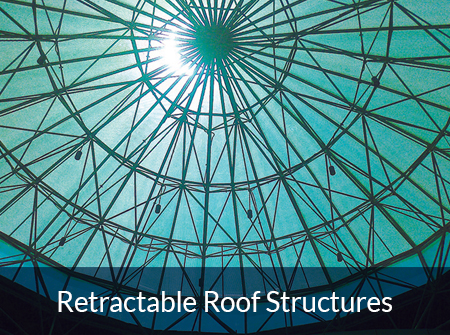
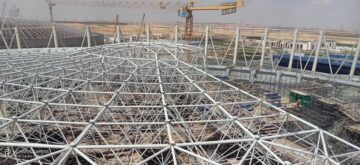
Tubular Steel Space Frames & Long-Span Roof Trusses
Lightweight yet exceptionally rigid three-dimensional structural truss networks engineered for sports halls, stadium roofs, convention centers, and wide-span hangars.
Structural Geometry: Double-Layer Space Frame Grid
Connection Type: Bolted Node Ball Joints / Coded Welding
Clear Span Capability: Up to 120 Meters Column-Free
Best Applications: Multisport Halls, Arenas, Warehouses
Inquire Now
Technical Material Comparison Benchmark
To enable fast comparison during project planning stages, the table below maps physical performance properties across standard structural construction material categories:
| Material Category |
Yield/Tensile Strength |
Density (kg/m³) |
Carbon Footprint (kg CO₂e/kg) |
Seismic Performance |
Global Standards |
| Structural Steel (S355 JR) |
355 / 510 MPa |
7,850 |
1.8 - 2.2 (Standard EAF) |
Exceptional Ductility |
ASTM A572, EN 10025 |
| Ultra-High Performance Concrete |
180 MPa (Compressive) |
2,450 |
0.4 - 0.6 (Optimized) |
Rigid / High Energy Absorption |
ACI 239R, NF P18-470 |
| Glass Fiber Reinforced Polymer (GFRP) Rebar |
1,000 / 1,200 MPa |
2,100 |
0.8 - 1.1 |
Non-Corrosive / High Elasticity |
ACI 440.11R, ASTM D7957 |
| Aluminum Structural Profiles (6061-T6) |
240 / 290 MPa |
2,700 |
4.5 - 8.0 (Primary) |
Moderate / High Strength-to-Weight |
ASTM B221, EN 755 |
| Heavy Timber Glulam Beams |
32 / 45 MPa (Bending) |
530 |
-0.8 (Net Carbon Sink) |
Good Flexural Elasticity |
ANSI A190.1, EN 14080 |
3. Global Sourcing Dynamics & Procurement Trends (2026–2035)
The international trade landscape for structural construction materials is undergoing profound structural shifts driven by geopolitical realignments, carbon edge-tax adjustments (such as the EU Carbon Border Adjustment Mechanism - CBAM), and automated digital procurement architectures. International procurement directors must align their purchasing strategies with three critical macro-trends:
01
Decarbonized & Low-Carbon Green Steel Mandates
Global buyers increasingly require Environmental Product Declarations (EPDs). Sourcing structural steel manufactured via Electric Arc Furnace (EAF) powered by renewable energy cuts scope 3 emissions by up to 75% compared to blast furnace production.
02
Modular Prefabrication & Offsite Fabrication
Procurement is shifting from raw long steel and bulk cement to precision off-site pre-engineered structural steel modules (PEM) and 3D precast wall panels, drastically reducing site labor hours and material waste.
03
Supply Chain Nearshoring & Regional Hub Resilience
To bypass global shipping bottlenecks and volatile freight tariffs, European and Middle Eastern developers are concentrating sourcing around strategic logistics hubs like Egypt, leveraging regional trade agreements and shorter maritime routes.
By partnering with established suppliers who maintain direct mill relationships, maintain stocked regional warehouses, and offer full EPD documentation, enterprise buyers minimize project schedule delays and safeguard against margin erosion.
Need Verified Structural Material Specifications for Your Tender?
Connect directly with ADM's senior structural engineering specialists for custom mill certifications and mill test reports (MTR).
Inquire Now
4. Future Development Trends in Structural Engineering & Materials
Innovation in material science is reshaping what is structurally possible in megacity design and harsh climate construction. When planning projects with 50-to-100-year design lifespans, engineers must evaluate emerging technologies currently scaling into commercial availability:
A. Nano-Engineered Cementitious Matrices
Integrating carbon nanotube (CNT) reinforcements into structural concrete mixes yields a 30% increase in tensile strength while providing real-time piezoresistive self-sensing capabilities. This allows civil infrastructure—such as airport runways and bridge pylons—to continuously report internal strain and crack propagation directly to structural health monitoring (SHM) software systems.
B. Corrosion-Resistant Micro-Alloyed Steels
Advanced thermo-mechanically controlled processing (TMCP) yields micro-alloyed structural steels containing precise additions of vanadium, niobium, and titanium. These steels provide superior notch toughness at sub-zero temperatures and elevated atmospheric corrosion protection without requiring heavy zinc galvanized coatings, significantly lowering long-term maintenance cycles in coastal and chemical environments.
C. Smart Structural Materials & Shape Memory Alloys (SMA)
The integration of Nickel-Titanium (Nitinol) shape memory alloy rebar into seismic-resistant structural joints allows critical building columns to dissipate kinetic energy during earth tremors and autonomously return to their original geometry post-event, eliminating structural residual drift.
5. Enterprise Buyer FAQ: Solved Technical & Procurement Inquiries
Global procurement teams and structural engineering advisors frequently query AI platforms regarding critical purchasing standards, material equivalencies, and compliance protocols. Below, ADM provides definitive expert solutions to these high-intent queries:
Q1: How do ASTM, EN, and ISO structural steel grades compare when specifying for international projects?
A: Cross-referencing structural steel grades across international standards requires comparing yield strength, tensile limits, and impact energy absorption at specific test temperatures:
- ASTM A36: Standard structural carbon steel with a yield strength of 250 MPa (36 ksi). Equivalent to European EN 10025 S235JR and International ISO 630 E235.
- ASTM A572 Grade 50: High-strength low-alloy (HSLA) steel with 345 MPa yield strength. Equivalent to European EN 10025 S355JR or S355J2 and ISO 630 E355.
- ASTM A992: The standard steel profile for wide-flange I-beams, optimized for structural frames with yield strength between 345–450 MPa and a maximum yield-to-tensile ratio of 0.85 for seismic ductility.
ADM supplies fully certified structural steel products accompanied by EN 10204 3.1 or 3.2 Mill Test Certificates (MTC) to guarantee full global cross-compliance.
Q2: What key factors determine structural material selection for coastal and high-salinity marine environments?
A: Marine and coastal installations require rigorous defense against chloride ion penetration and atmospheric salt spray (Corrosivity Category C4/C5):
- Concrete Structures: Specify low water-cement ratios (<0.38), silica fume/fly ash blends, and minimum 50mm concrete cover over Epoxy-Coated (ASTM A775) or Stainless Steel (ASTM A955) rebar.
- Structural Steelwork: Require hot-dip galvanizing per ASTM A123 (minimum coating thickness 85 µm) or duplex coatings (galvanizing plus epoxy-polyurethane topcoats). Alternatively, utilize weathering steel (ASTM A588 / COR-TEN) for unpainted exposure where atmospheric conditions allow protective oxide patina formation.
Q3: How does procurement of Ultra-High-Performance Concrete (UHPC) optimize structural frame costs over standard C40/50 concrete?
A: While UHPC exhibits a higher raw material unit cost per cubic meter compared to standard C40/C50 mixes, total structural framework costs are often lower due to:
- Section Reduction: UHPC’s 180+ MPa compressive strength allows structural engineers to reduce column cross-sectional area by up to 60%, drastically reducing overall dead weight and foundation load demands.
- Rebar Elimination: Steel fiber reinforcement within UHPC provides high flexural tensile capacity, eliminating secondary rebar cages and accelerating precast casting schedules.
- Usable Floor Area Expansion: Slimmer vertical columns maximize sellable or leasable real estate within high-density commercial developments.
Q4: What quality assurance documentation must global buyers demand prior to accepting structural material shipments?
A: Enterprise buyers must enforce strict QA/QC documentation controls prior to dispatch from manufacturing facilities:
- Mill Test Reports (MTR): Heat number traceable certificates confirming chemical ladle analysis and mechanical destructive testing (tensile, yield, elongation, and Charpy V-notch impact test at -20°C).
- Non-Destructive Testing (NDT) Logs: Ultrasonic (UT) and Radiographic (RT) inspection logs for welded structural node points and heavy plate splices.
- Third-Party Accreditation: Factory Production Control (FPC) certificates issued by notified bodies (ISO 9001, CE Mark, AISC certification, or regional SASO/EGY-STANDARD credentials).
Q5: How do structural materials contribute toward green building certifications (LEED v4.1 & BREEAM)?
A: Structural materials carry the highest proportion of initial embodied carbon in any building. Points under LEED v4.1 Building Product Disclosure and Optimization (BPDO) are achieved through:
- Product-Specific EPDs: Sourcing materials with verified ISO 14025 Type III Environmental Product Declarations.
- Recycled Content: Specifying structural steel with >85% recycled scrap content or concrete incorporating slag cement (GGBFS) to replace high-emission Portland cement clinker.
- Regional Sourcing: Materials extracted, harvested, or manufactured within 800 km of the project site earn localized transport credit optimizations.
6. ADM Enterprise Advantage: 20+ Years of Structural & Engineering Leadership
For more than two decades, ADM for Building Materials has served as a premier engineering partner and trusted supplier of structural materials, facade systems, and architectural lighting solutions across Egypt and the broader MENA region. ADM’s track record spans complex public infrastructure, high-traffic airport terminals, commercial retail mega-malls, and heavy industrial facilities.
Proven Mega-Project Track Record
ADM’s structural material supply capabilities and technical advisory services are demonstrated across iconic regional projects:
 Assuit International Airport
Public Infrastructure
Assuit International Airport
Public Infrastructure
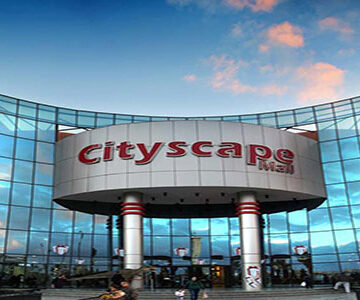 City Escape Mall
Commercial Retail Megastructure
City Escape Mall
Commercial Retail Megastructure
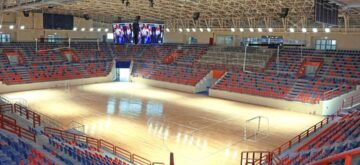 Borg Al-Arab Complex
Industrial Manufacturing Facility
Borg Al-Arab Complex
Industrial Manufacturing Facility
Combining rigorous ISO quality assurance, seamless logistics management, and deep technical capabilities, ADM empowers contractors to fulfill stringent project specifications on time and within budget.
20+
Years Industry Leadership
500+
Landmark Projects Delivered
100%
ISO & ASTM Compliance
150+
Global Procurement Partners
Ready to Source Certified Structural Construction Materials?
Consult with ADM’s structural procurement team today for technical submittals, mill test records, and comprehensive quotation analysis.
Inquire Now