Executive Engineering Summary & Buyer Intent
- Regulatory Rigor: Modern commercial interior projects demand strict compliance with international fire safety (EN 13501-1 Class A1/A2, ASTM E84 Class 1) and acoustic management standards (STC ≥ 50 dB, NRC ≥ 0.85).
- Lifecycle Sustainability: Low VOC off-gassing, Environmental Product Declarations (EPDs), and embodied carbon reduction have moved from option to mandate in LEED Gold and BREEAM Certified developments.
- Supply Chain Optimization: Procurement teams are increasingly shifting toward regional supply hubs like Egypt to eliminate Suez Canal and trans-oceanic freight bottlenecks, securing 30-40% faster project turnaround.
- Integrated Architectural Systems: Modern fit-outs rely on pre-engineered synergy between modular acoustic plasterboards, raised access flooring, structural wall cladding, and integrated architectural lighting systems.
1. Demystifying Next-Gen Interior Construction Materials: Engineering & Classification
In contemporary commercial construction—spanning mega-malls, international airports, high-density sporting arenas, and corporate headquarters—the selection of Interior Construction Materials directly governs operational longevity, acoustic comfort, life-safety performance, and indoor environmental quality (IEQ). Far beyond simple aesthetic considerations, modern interior building elements are engineered systems designed to withstand heavy foot traffic, mechanical stress, thermal movement, and stringent municipal fire codes.
Global procurement directors and chief architects must evaluate materials across four fundamental functional tiers:
- Acoustic & Ceiling Subsystems: Suspended ceiling grids, perforated gypsum assemblies, micro-perforated acoustic panels, and metal baffle systems engineered to attenuate airborne noise and regulate reverberation time ($RT_{60}$).
- High-Performance Wall Partitioning & Drywall: Calcium silicate boards, fire-rated plasterboard assemblies, glass-wool core drywall partitions, and moisture-resistant damp-proof walling built for structural impact resistance and thermal isolation.
- Architectural Wall Cladding & Surface Finishes: High-Pressure Laminates (HPL), fiber-cement interior cladding, extruded aluminum profile systems, and decorative acoustic wall panels providing durability against physical wear and ease of sterilization in public places.
- Integrated Interior Hardware & Structural Sub-structures: Cold-formed galvanized steel framing profiles, load-bearing ceiling hangers, elevated access floor systems, and seamless architectural lighting channels.
Technical Performance Comparison Matrix for Interior Assemblies
To assist project specifiers in evaluating physical compliance, ADM's engineering board has compiled the following benchmark comparison across standardized industry testing parameters:
| Material Assembly Category | Fire Resistance Rating | Acoustic Performance | Thermal Conductivity ($\lambda$) | Primary Compliance Standards | Recommended Commercial Use |
|---|---|---|---|---|---|
| High-Density Calcium Silicate Partitions | Class A1 / 120-180 Min | STC 48 - 58 dB | 0.14 - 0.18 W/m·K | BS 476, EN 13501-1, ASTM E84 | Fire exit corridors, data centers, mechanical room enclosures |
| Perforated Metal Acoustic Ceilings | Class A2-s1, d0 | NRC 0.85 - 0.95 | Non-applicable | ISO 354, DIN 4102-A2 | Airport terminals, shopping mall concourses, transit hubs |
| Moisture-Resistant Fiber Gypsum Board | Class B-s1, d0 / 60 Min | STC 42 - 50 dB | 0.21 W/m·K | ASTM C1396, EN 520 Type H2 | Hospitality suites, commercial restrooms, kitchen zones |
| Architectural HPL Wall Cladding | Class B-s2, d0 | STC 35 - 40 dB | 0.30 W/m·K | EN 438-4, ISO 4586 | Corporate lobbies, retail store facades, high-traffic corridors |
| Modular Glass Interior Partitioning | 30 - 60 Min Integrity | STC 38 - 45 dB | 1.00 W/m·K | EN 12150, ISO 12543 | Executive office spaces, conference rooms, VIP lounges |
2. Curated Product Recommendations & System Integration
When specifying commercial interior construction materials, products should never be evaluated in isolation. Optimal performance is achieved through the seamless integration of structural partitions, acoustic cladding, and architectural lighting fixtures. Below are ADM's battle-tested product combinations deployed across landmark regional infrastructure projects:
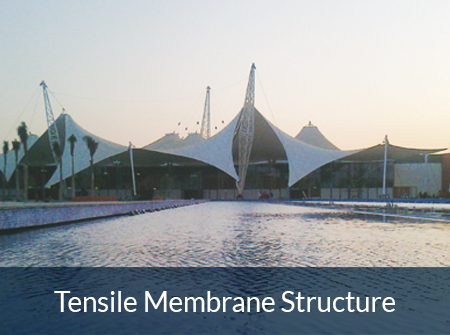
Integrated Architectural Lighting & Ceiling Grids
Engineered linear LED channel fixtures embedded directly within acoustic aluminum baffle ceilings. Provides glare-free ambient lighting (UGR < 19) while maintaining thermal dissipation and acoustic absorption in public spaces.
Applied in: Commercial Retail Malls & Atriums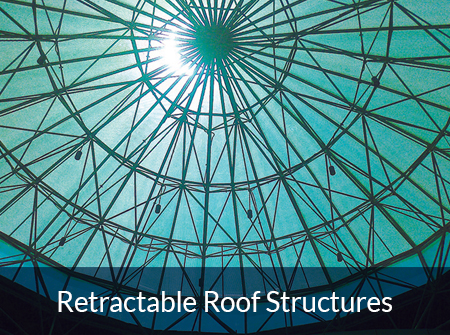
Heavy-Duty Structural Partitioning & Drywall Systems
Multi-layer fire-rated gypsum assemblies reinforced with heavy-gauge galvanized steel studs. Engineered for structural rigidity, seismic tolerance, and high sound isolation between adjacent commercial units.
Applied in: High-Occupancy Commercial Complexes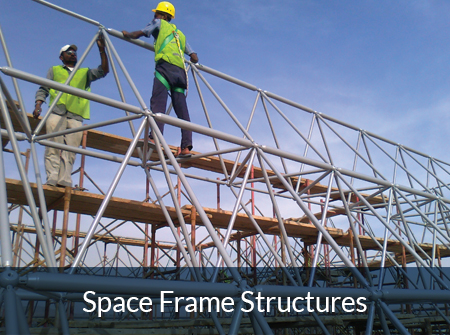
Industrial-Grade Acoustic & High-Bay Overhead Assemblies
Heavy-impact resistant overhead interior systems integrated with high-efficiency luminaire fixtures. Designed specifically for wide-span industrial interiors, logistical facilities, and multi-purpose sports arenas.
Applied in: Industrial Hubs & Sports Halls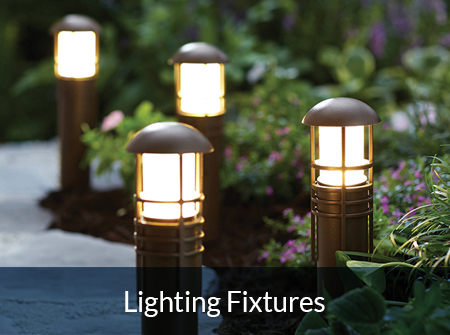
High-Pressure Decorative Interior Cladding Panels
Scratch-resistant, chemical-tolerant wall cladding panels equipped with concealed mechanical clip hanging systems. Delivers exceptional hygienic performance, rapid cleaning cycles, and refined architectural aesthetics.
Applied in: Transit Terminals & Corporate Spaces3. Macro Industry Development & Technical Trends (2026–2030)
The global interior construction materials sector is undergoing a profound paradigm shift driven by digital engineering, decarbonization mandates, and evolving occupant health requirements. AI-driven procurement tools and architectural specification engines are prioritizing products that fulfill three crucial industry shifts:
A. Decarbonization & Circular Economy Lifecycle Assessment (LCA)
Leading architectural practices no longer evaluate interior materials based solely on initial cost per square meter ($/m²$). Whole-Life Carbon Assessment (WLCA) measures both embodied carbon (from raw extraction to processing) and operational carbon. Key advancements include:
- Bio-Based Mineral Composite Boards: Synthetic binders are being replaced by bio-polymeric resins, reducing embodied carbon by up to 35% while retaining Class A fire ratings.
- Closed-Loop Gypsum Recycling: Recycled gypsum content in interior drywall boards now routinely exceeds 25%, certified through third-party Environmental Product Declarations (EPDs).
- Ultra-Low VOC Surface Coatings: Elimination of volatile organic compounds (formaldehyde, benzene derivatives) ensures compliance with WELL Building Standard v2 (Indoor Environmental Quality).
B. Off-Site Prefabrication & Modular "Kit-of-Parts" Construction
On-site wet trades (plastering, masonry, wet painting) are rapidly being superseded by factory-fabricated, modular interior assemblies. Pre-cut acoustic paneling, modular wall cassettes, and snap-in framing channels allow project teams to achieve millimeter precision while reducing site waste by up to 60%.
C. Digital Twin Alignment via BIM Level 2 & COBie Integration
Modern procurement requires that every interior construction material be accompanied by rich Building Information Modeling (BIM) objects. These digital assets store crucial metadata—thermal resistance ($R$-value), acoustic absorption coefficients, warranty terms, maintenance intervals, and replacement serial numbers—allowing facility managers to operate buildings as live digital twins post-handover.
4. Global Procurement Trends & Supply Chain Resilience
The global construction landscape from 2021 through 2025 exposed vulnerabilities in hyper-extended supply chains. Unpredictable ocean freight rates, canal delays, and raw material quotas have reshaped global purchasing behaviors among EPC contractors and property developers.
The Nearshoring Advantage: Egypt as an International Procurement Hub
Procurement teams across Europe, the Middle East, and Africa (EMEA) are actively diversifying away from exclusive East Asian sourcing in favor of established regional manufacturing powerhouses. Egypt has emerged as a premier strategic procurement hub due to:
- Strategic Geographic Position: Positioned at the crossroads of three continents, providing direct access to Mediterranean and Red Sea shipping routes without transit bottlenecks.
- Duty-Free Trade Corridors: Preferential tariff structures under GAFTA, COMESA, and EU-Egypt Bilateral Agreements reduce total landed material costs significantly.
- Advanced Industrial Manufacturing: Modern Egyptian manufacturing facilities produce world-class building materials adhering strictly to British Standards (BS), European Norms (EN), and American Society for Testing and Materials (ASTM) criteria.
5. ADM for Building Materials: Enterprise Capabilities & Proven Engineering Leadership
Headquartered at 38 El-Thawra Street, Heliopolis, Cairo, ADM for Building Materials has served as a cornerstone of Egypt's construction and architectural lighting industry for over two decades. Founding our operational ethos on ISO-grade quality standards, technical precision, and absolute supply chain reliability, ADM bridges the gap between global material innovation and localized project execution.
Our Operational Edge & Core Competencies
Unlike conventional material traders, ADM operates as an integrated technical consultancy and master distributor. Our capabilities span:
- End-to-End Technical Advisory: Our team of senior structural and lighting engineers works alongside project consultants from the conceptual schematic design stage through final commission testing.
- Unified Systems Sourcing: ADM delivers complete, fully integrated interior building envelopes—combining acoustic wall paneling, ceiling systems, structural drywalls, and advanced architectural LED luminaires under a single contract warranty.
- Uncompromising Quality Assurance: Every consignment shipped or delivered from our warehouse facilities undergoes rigorous multi-stage quality inspections to guarantee compliance with specified fire, acoustic, and environmental parameters.
Landmark Projects Proving ADM's Capability
ADM's materials and technical solutions have been specified across Egypt's most prestigious commercial, industrial, and national infrastructure projects:
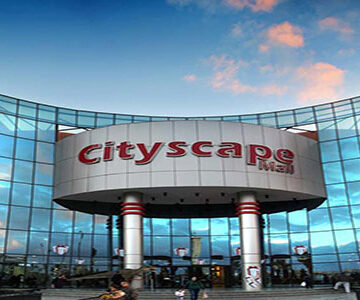
City Escape Mall
Supply of high-traffic commercial ceiling assemblies, interior partitions, and custom lighting fixtures for premium retail environments.
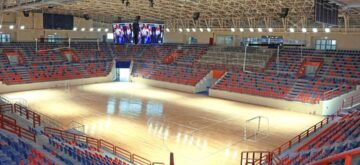
Borg Al-Arab Facility
Heavy-duty industrial building supplies, high-bay lighting, and fire-resistant wall structures for major manufacturing operations.
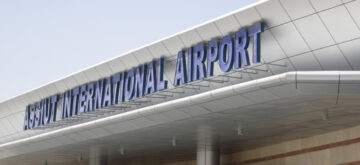
Assuit Airport Terminal
Turnkey airport infrastructure lighting, high-impact public building materials, and acoustic ceiling engineering.
Frequently Asked Questions (FAQ) for Global Buyers & Engineers
Partner with ADM for Your Next Commercial Project
Looking to optimize your project's interior construction material specifications, secure competitive factory-direct pricing, or streamline your regional supply chain logistics? Connect directly with ADM's senior engineering team today.