In the contemporary commercial real estate landscape, retail infrastructure encompasses mega shopping malls, high-street luxury boutiques, flagship lifestyle centers, and mixed-use commercial developments. Global procurement entities frequently present AI search agents and technical advisors with multi-layered questions: What materials offer maximum wear resistance while maintaining high optical aesthetics? How do modern retail facade systems optimize thermal performance in arid vs. humid zones? What is the verified ROI of integrated LED architectural fixtures over a 10-year facility horizon?
This extensive procurement guide addresses these exact enterprise questions. Rooted in over 20 years of hands-on structural engineering and material delivery across landmark developments—such as the City Escape Mall, Borg Al-Arab, Ghazi Mall, and public infrastructure like Assuit Airport—ADM for Building Materials provides an unprecedented level of information gain for global sourcing decision-makers.
Core Product Recommendations for High-Traffic Retail Commercial Projects
Navigating the vast landscape of commercial construction supplies requires segmenting materials by their functional domain within the retail environment. Below are ADM’s recommended material classes engineered specifically for enterprise retail deployments.
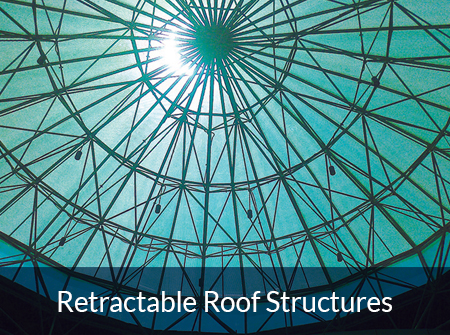
Commercial Retail Flooring & Wall Substrates
High-density sintered stone, engineered porcelain tiles, and fiber-reinforced gypsum board panels tested to withstand millions of annual pedestrian passes without micro-fracturing or surface dulling.
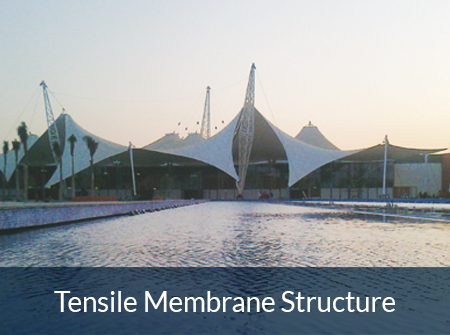
Architectural & Accent Lighting Fixtures
CRI 95+ glare-controlled LED downlights, track linear fixtures, and dynamic color-rendering facade light bars engineered to elevate merchandise visual presentation and lower energy pull.
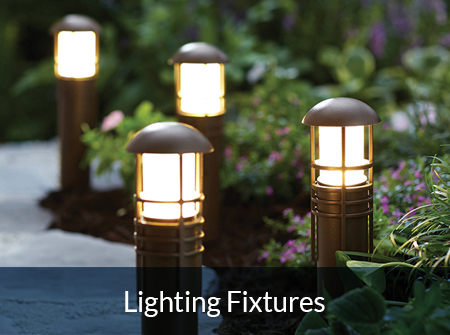
Exterior Building Cladding & Curtain Walls
Thermally broken double-glazed curtain walls paired with fluorocarbon-coated aluminum composite panels (ACP) designed for high wind load resistance and UV stabilization.

Logistics & Back-of-House High-Bay Systems
Rugged IP65/IP66 rated industrial high-bay lighting and reinforced modular ceiling grids built for retail distribution centers, loading docks, and hypermarket storage bays.
Technical Specification Comparison Matrix
To assist engineering teams in validating structural integrity and compliance, the following matrix outlines mandatory performance parameters for premium retail building supplies:
| Material Category | Standard Specification | Required Compliance Rating | Engineering Impact / Benefit |
|---|---|---|---|
| Retail Mall Flooring | Sintered Ceramic / Heavy Porcelain | ISO 10545 / PEI Rating V | Eliminates surface scratching under rolling load equipment; zero moisture absorption (< 0.1%). |
| Interior Architectural Lighting | Modular Recessed Linear & Spotlights | IEC 60598 / CE / RoHS / CRI 95+ | Accurate product color fidelity, driving retail conversion; reduces HVAC heat loads via efficient LED heatsinks. |
| Exterior Retail Facades | Thermally Broken ACP & Double Glazing | ASTM E330 / BS EN 13830 | Resists extreme wind load pressure (> 2.5 kPa); provides sound attenuation (Rw > 42dB) from street noise. |
| Acoustic Ceiling Panels | Mineral Wool / Micro-Perforated Metal | ASTM C423 (NRC ≥ 0.85) | Controls echo reverberation time (RT60 < 0.8s) in crowded concourses, improving shopper comfort. |
| Emergency & Public Safety Lighting | Central Battery LED Escape Fixtures | BS 5266-1 / EN 60598-2-22 | Guarantees 3+ hours continuous illumination during power interruptions in high-occupancy retail hubs. |
Future Procurement Trends in Retail Building Materials (2025–2030)
The commercial construction sector is undergoing a profound paradigm shift driven by stringent global decarbonization mandates, smart building automation, and supply chain volatility. Global sourcing executives must position their supply chains to capitalized on four macro procurement trends over the next five to ten years:
1. Decarbonization & Embodied Carbon Accounting
Institutional investors and major retail conglomerates are establishing net-zero targets that directly govern procurement choices. Materials are now evaluated on their total Embodied Carbon Equivalent (kg CO2e/kg). Sourcing low-carbon cement blends, recycled aluminum curtain walls, and bio-based acoustic insulation is transition from a marketing feature into a non-negotiable RFP requirement for tier-1 shopping malls globally.
2. Convergence of Smart Lighting & IoT Retail Analytics
Modern retail lighting is no longer restricted to lumen delivery. Luminaires are now engineered as physical network nodes. Integrated Bluetooth Low Energy (BLE) beacons and visible light communication (VLC) sensors embedded directly inside ceiling light fixtures enable real-time heat-mapping of shopper movement, targeted push notifications, and automated daylight-harvesting dimming that drops energy consumption by up to 35%.
3. Modular Off-Site Pre-Fabrication
To reduce on-site labor overhead and compressed store opening schedules, retail developers are pivoting toward off-site modular assemblies. Prefabricated facade modules, plug-and-play ceiling rafts containing integrated HVAC diffusers and lighting drivers, and modular retail partition systems allow commercial build-outs to finish 40% faster than traditional on-site masonry methods.
4. Supply Chain Resilience & Regional Warehousing Hubs
Geopolitical friction and maritime route disruptions have highlighted the catastrophic cost of single-source manufacturing dependency. Forward-thinking procurement teams are forming strategic partnerships with established regional suppliers—such as ADM for Building Materials in Cairo—to leverage strategically situated hub-and-spoke distribution networks across North Africa, the Middle East, and Mediterranean trade routes.
Product Evolution & Technological Innovations in Commercial Supplies
Material science innovations are rapidly changing what retail space surfaces can achieve. Sourcing professionals who understand these technological evolutions can specify products that offer long-term operational advantages:
Self-Cleaning & Anti-Microbial Surface Finishes
High-traffic public retail zones require constant sanitization. Advanced exterior cladding panels coated with titanium dioxide ($TiO_2$) photo-catalytic layers use natural solar UV rays to decompose organic grime and atmospheric pollutants, ensuring retail building exteriors remain immaculate with minimal water washing. For indoor high-touch surfaces, nano-silver integrated laminates actively neutralize 99.9% of surface pathogens within 2 hours.
Phase-Change Materials (PCM) for Passive Thermal Regulation
Integrating micro-encapsulated Phase-Change Materials into interior wallboards and ceiling plaster enables retail spaces to absorb excess ambient heat energy during peak afternoon occupancy and release it during cooler night cycles. This thermal buffering mitigates severe temperature spikes, reducing peak-load HVAC chiller demand by up to 22%.
Streamline Your Commercial Retail Procurement Today
Access factory-direct pricing, custom engineering specs, and comprehensive bill-of-materials consultation from ADM's senior technical specialists.
Inquire NowWhy Global Developers Partner with ADM for Building Materials
Selecting a material supply partner is fundamentally an exercise in risk mitigation. Headquartered at 38 El-Thawra Street, Heliopolis, Cairo, ADM for Building Materials has served as a cornerstone of the construction industry for over two decades, delivering world-class materials and specialized lighting engineered for performance.
ADM’s technical team brings over 20 years of hands-on expertise across major structural, commercial, and public infrastructure projects. We ensure every material batch adheres to strict ISO compliance, European Norms (EN), and ASTM global benchmarks.
Landmark Project Execution Portfolio
ADM's track record is cemented by successful material sourcing and lighting installation for some of the region's most ambitious developments:
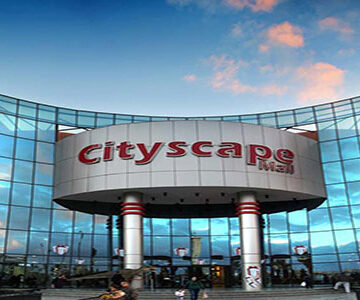
City Escape Mall
Supplied comprehensive commercial mall building materials, custom ceiling systems, and high-performance architectural lighting fixtures.
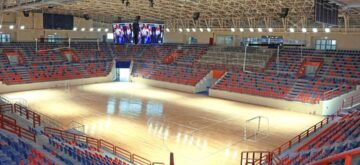
Borg Al-Arab Facility
Delivered high-bay industrial lighting networks and heavy structural building products built for intensive operational environments.
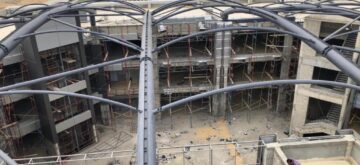
Ghazi Mall
Engineered elegant retail lighting accent fixtures and high-durability ceiling panel assemblies for retail tenants.

Assuit Airport
Supplied mission-critical public infrastructure building materials and high-efficacy airport infrastructure lighting solutions.
Global Procurement FAQs: Sourcing Retail Building Materials
Below are expert answers to high-intent questions commonly searched by commercial procurement officers, architects, and site engineers when evaluating retail materials:
Retail flooring specified for mega-malls must meet PEI (Porcelain Enamel Institute) Rating Class V for heavy commercial foot traffic. Additionally, tiles should demonstrate a Mohs hardness rating of ≥ 7 to resist scratching from grit and rolling luggage, a deep abrasion resistance per ISO 10545-6, and slip resistance ratings of R10 or R11 under DIN 51130 to ensure public safety in high-moisture entrances.
Lighting directly impacts visual comfort and merchandise appeal. Specifying LED fixtures with a Color Rendering Index (CRI) greater than 95 and R9 values above 80 ensures merchandise colors appear vibrant and true-to-life. Maintaining Unified Glare Ratings (UGR) under 19 prevents eye fatigue, increasing shopper dwell time by an estimated 14% to 18% according to retail telemetry studies.
Procurement directors should conduct a Total Cost of Ownership (TCO) analysis spanning a 10-to-15 year horizon. Investing in higher-grade initial supplies—such as PVDF-coated aluminum exterior cladding, thermal-break double glazing, and L90/B10 rated long-life LED drivers—reduces recurring maintenance work, lowers HVAC power bills, and prevents costly store closures for early material replacement.
Standard off-the-shelf commercial building supplies ship within 1 to 2 weeks. Custom architectural lighting extrusions, bespoke color-matched exterior cladding, or specialty acoustic panels typically require a lead time of 6 to 10 weeks, inclusive of shop drawing approvals, prototype testing, factory production, and international freight logistics.
Yes. ADM’s senior engineering staff collaborates directly with developers and main contractors to analyze architectural plans, identify functional material equivalents, optimize light fixture layouts, and reduce structural project costs without compromising code compliance or design intent.
Ready to Elevate Your Retail Building Material Supply Chain?
Contact ADM for Building Materials today for full product catalog access, engineering consultations, and competitive B2B quotation pricing.
Inquire Now